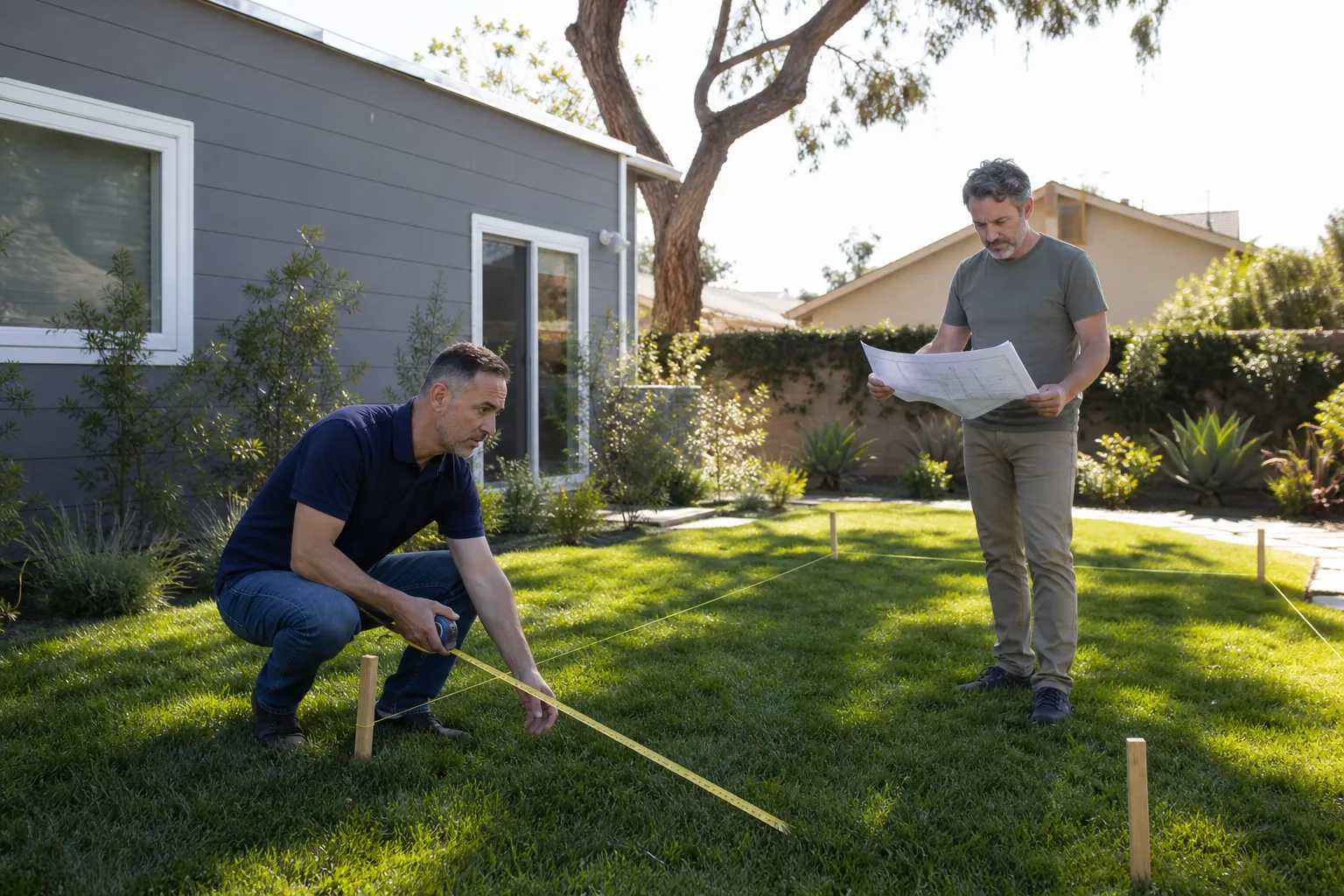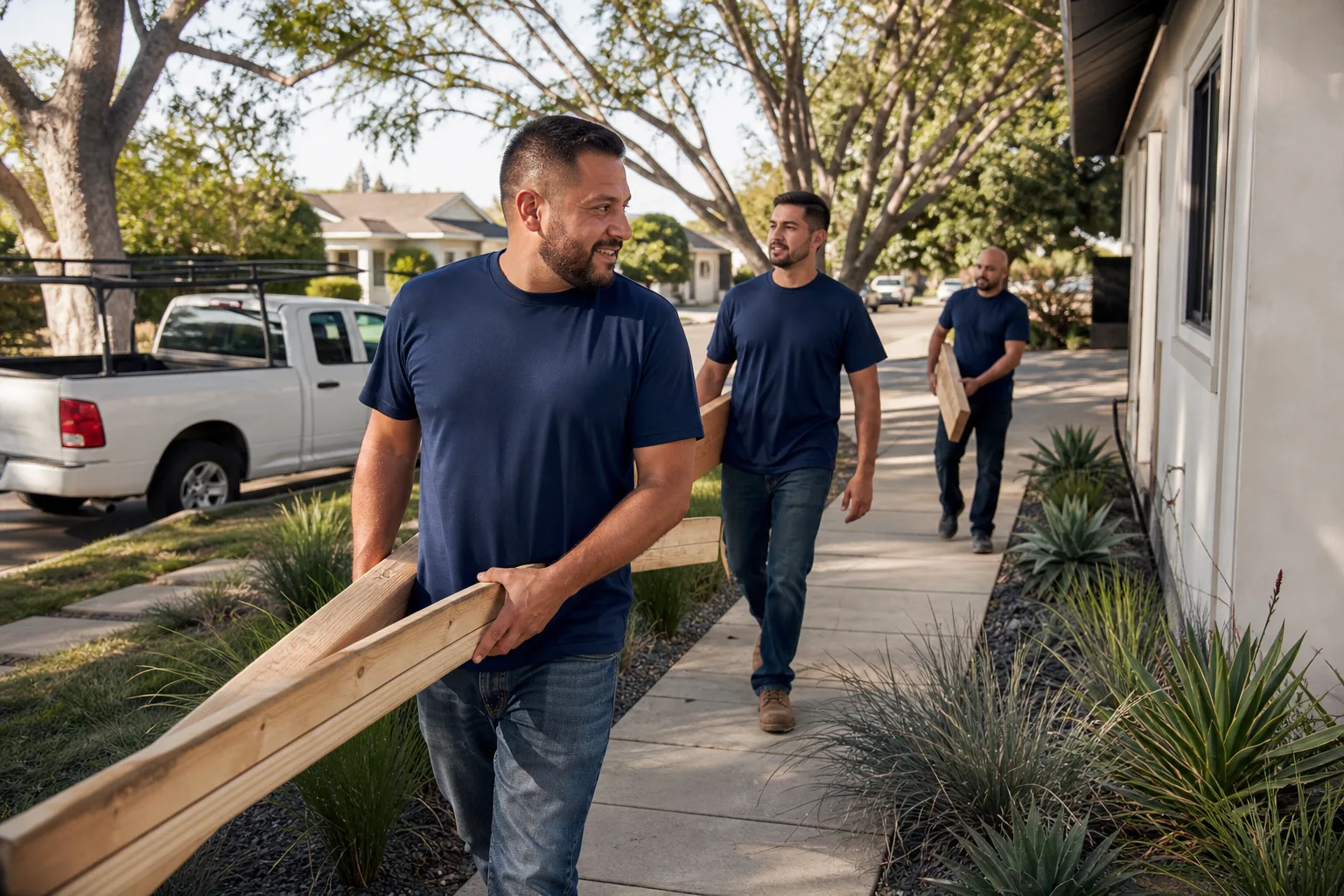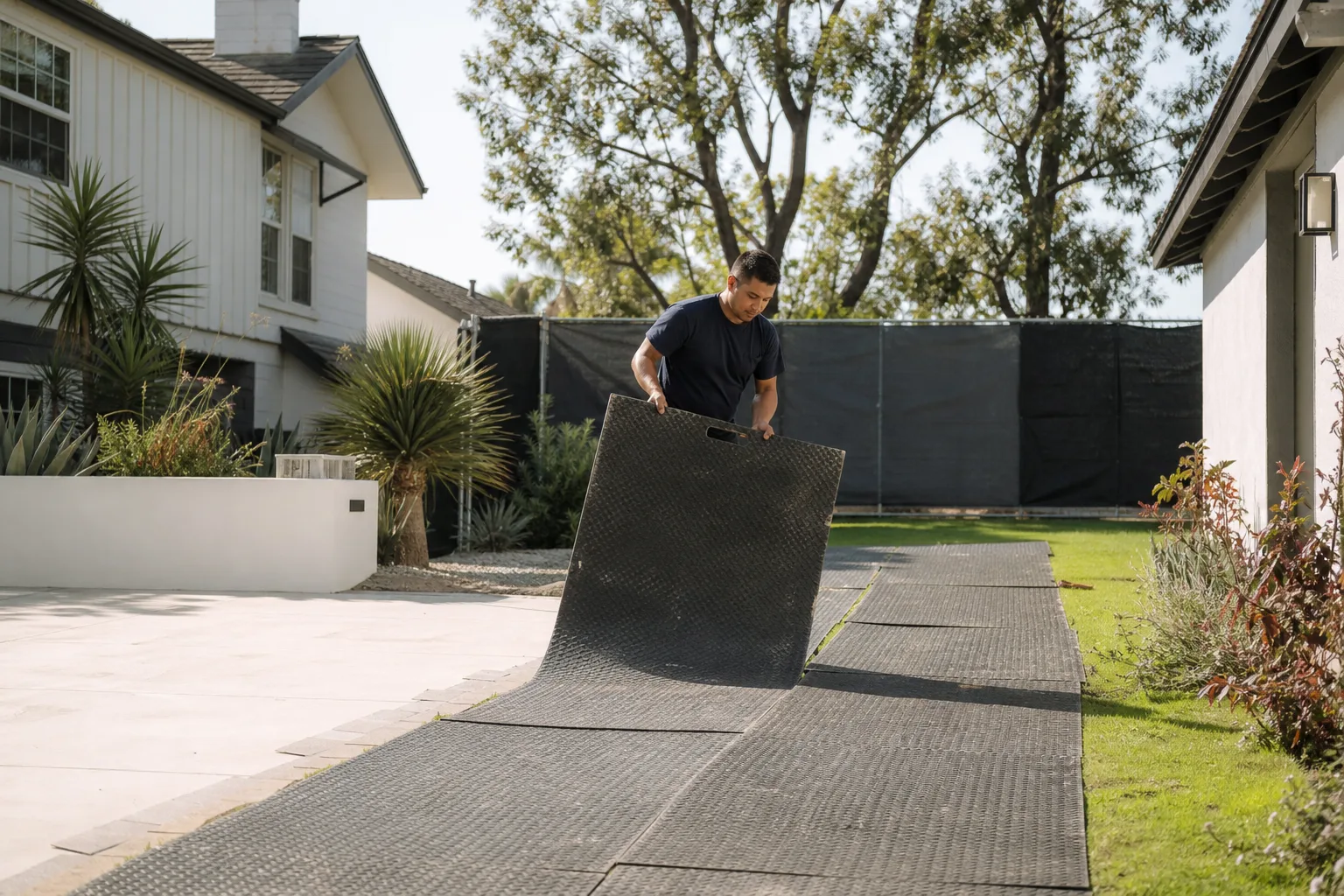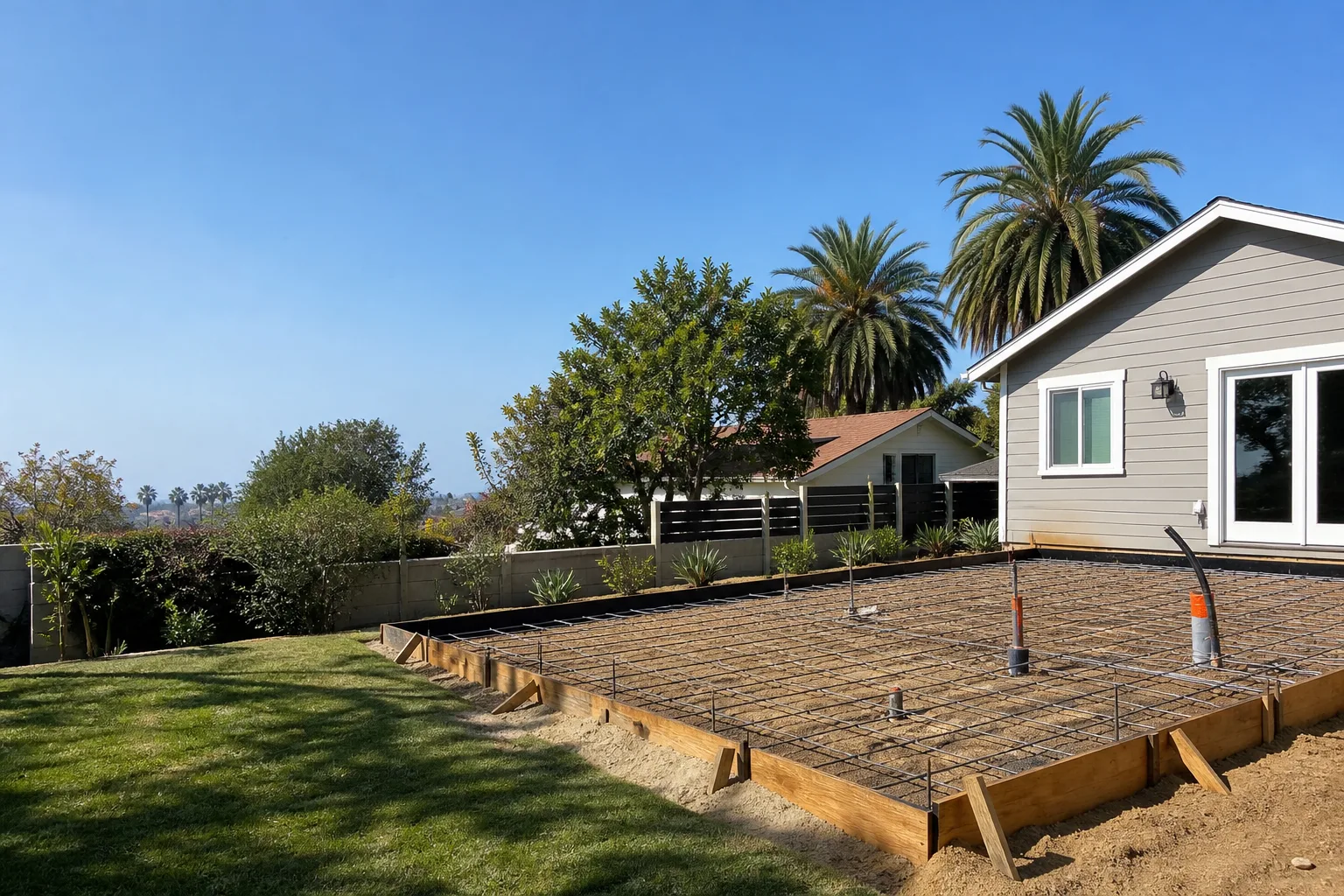
Abodu Site Prep & Utilities: The Ventura Owner’s Guide
We stock and install Abodu-compatible site prep and utility components throughout Ventura, with most trenching, foundation prep, and utility connection work running between $3,500 and $12,000 depending on your lot’s conditions and the distance from existing lines. If your Abodu unit is showing signs of settling, your water pressure has dropped since install, or your electrical panel trips when the ADU pulls load, you’re likely dealing with a site prep or utility failure rather than a problem with the unit itself. Most Ventura owners discover the issue when a city inspector flags it, a utility bill spikes unexpectedly, or the unit starts behaving erratically after rain. We carry the common fails on our trucks: panel upgrades, trenching materials, water line connectors, and the drainage components Abodu’s designs depend on.
Benson ADU Ventura is an independent service provider. We’re authorized to build with Abodu products, but we’re not the manufacturer, and we don’t pretend to be. What we are is the crew in Ventura that gets called when the site work under an Abodu unit needs to be fixed, replaced, or brought up to code before the unit itself goes in.
Key takeaways:
- Installed site prep and utility work for Abodu units in Ventura typically lands between $3,500 and $12,000.
- Most failures show up as settling, drainage issues, or electrical/water supply problems within the first two years.
- We stock the common components on the truck, which means we can start most repairs the same visit.
- Every job gets a written price before work starts, backed by our 365-Day Done Right Promise.
Which Abodu Models This Applies To
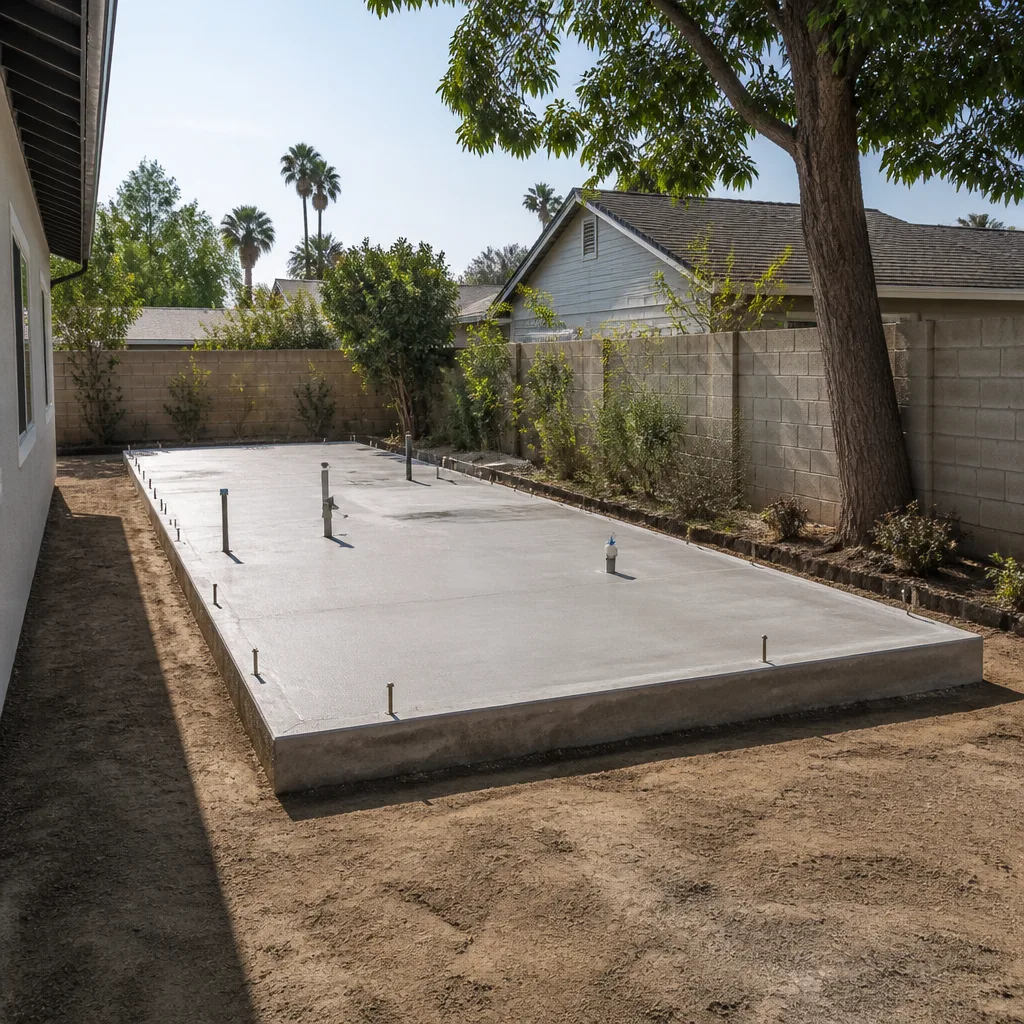
The site prep and utility requirements vary by Abodu series. The Studio and One models have lighter foundation loads, but they still need properly compacted soil, perimeter drainage, and utility stubs sized correctly for the unit’s panel and water fixtures. The Two and Three series pull more electrical load and often require panel upgrades on older Ventura homes, especially in Midtown and the Avenues where a lot of the housing stock still runs 100-amp service from decades past.
Identifying what your unit needs comes down to the utility schedule on your build documents. Abodu stamps each unit with a compliance plate near the main entry door, and that plate references the model line and the utility load calculations. If you don’t have the documents, we can pull the load specs by model and measure what’s actually stubbed at your pad. One compatibility gotcha we see all the time in Ventura: coastal lots with sandy soil near the beach neighborhoods require deeper footings and more compaction than standard plans call for, and skipping that step is the most common cause of early settling. The other is that older homes’ main panels often can’t absorb an Abodu Two’s electrical draw without a 200-amp upgrade, which adds $2,800 to $5,000 to the project.
For OEM versus aftermarket components, the honest answer is that most of what fails here isn’t Abodu-specific at all. The unit sits on top of standard construction materials: concrete, rebar, PVC drain lines, PEX water supply, Schedule 40 electrical conduit, and a grounding electrode. Abodu specifies the sizes and placement in their foundation plan, but the materials themselves come from regular supply houses. The Abodu-specific pieces are the connection points where the unit’s plumbing and electrical stubs mate to the site work. For those, we use OEM or Abodu-specified components every time, because a generic fitting that’s a quarter-inch off means a leak or a failed inspection.
Signs Your Abodu Site Prep & Utilities Is Failing
- Visible settling or a slab that’s no longer level. A crack at the foundation perimeter wider than an eighth of an inch, or a unit that’s drifted off level by more than a half-inch over ten feet, usually means the pad wasn’t compacted properly or drainage is washing soil away. In Ventura, this shows up most after the winter rains saturate clay-heavy soil in the east end.
- Water pressure that drops when the ADU’s fixtures run. If the main house shower sputters when someone flushes the ADU toilet, the supply line is undersized for the combined load. The fix is usually a dedicated larger water line from the meter to the ADU, not a problem with the unit itself.
- Breaker trips or flickering lights when the ADU’s appliances run. An overloaded main panel or undersized feeder wire between house and ADU is the culprit. Running an Abodu with a heat pump or laundry on a 100-amp house panel is a common cause, and the fix is a panel upgrade or a dedicated subpanel.
- Water pooling near the unit’s foundation after rain. Missing or clogged perimeter drains, or grade that slopes toward the pad instead of away, puts hydrostatic pressure on the slab and leads to settling and cracking. This is a drainage fix, not a unit problem.
- A utility bill that’s double or triple the expected number. A slow underground water leak between the meter and the ADU wastes water for months before it surfaces. We use acoustic leak detection and line trace equipment to find these without trenching the entire yard.
Replacement Cost & What’s Included
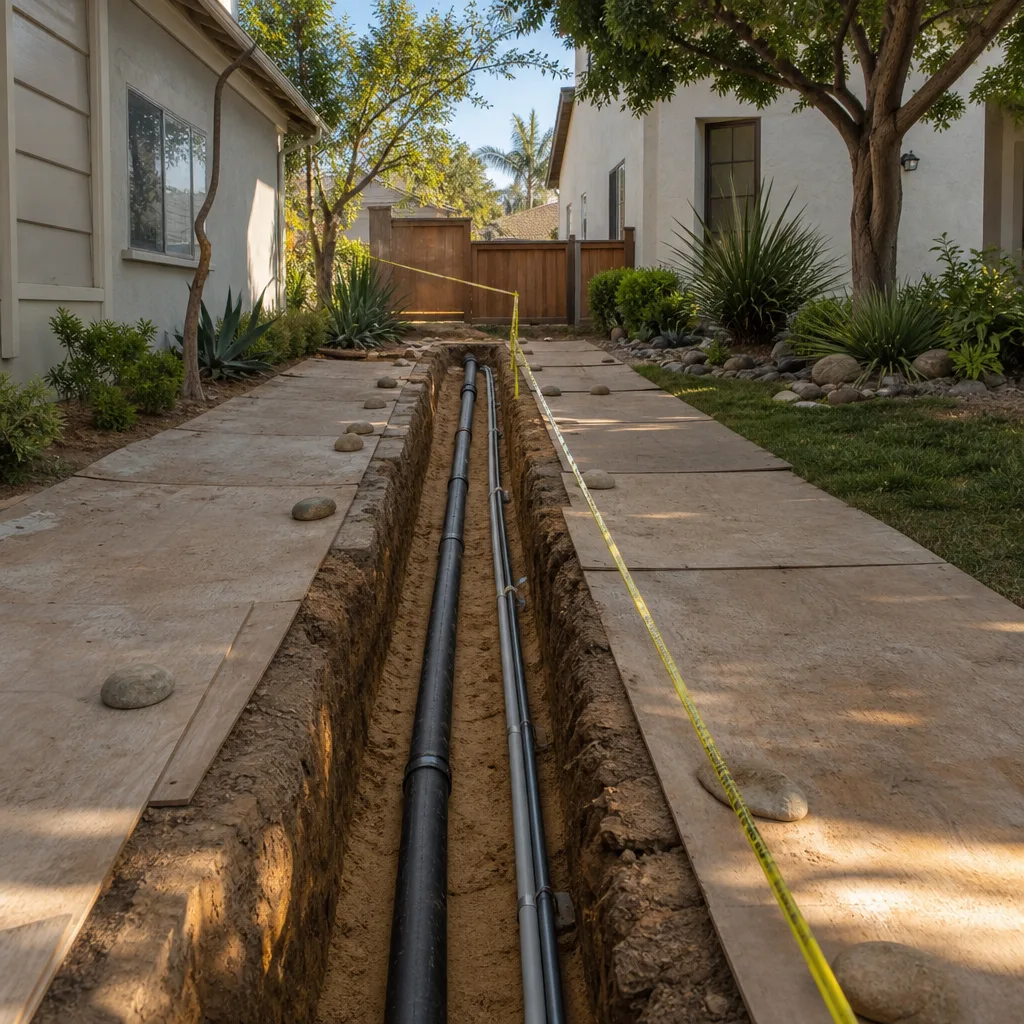
In Ventura, installed site prep and utility replacement work for an Abodu unit runs between $3,500 and $12,000. Here’s how that breaks down:
| Scope | Installed Range in Ventura |
| Main panel upgrade to 200-amp with subpanel feed | $3,800 – $6,500 |
| Foundation repair or partial repour (under 400 sq ft) | $4,000 – $9,000 |
| Water line replacement from meter to ADU (up to 50 ft) | $2,200 – $4,800 |
| Perimeter drainage correction (grading + French drain) | $3,500 – $7,500 |
| Utility stubs and connection points for new Abodu install | $3,500 – $6,000 |
The range depends on how far your utility stubs are from the house, what condition the existing work is in, and whether we’re correcting someone else’s shortcut or starting fresh. We do not pad the numbers. Every job gets a written line-item quote before anything is dug, and the price we put in writing is the price you pay. If we miss something and it needs more work, that’s on us, not added to your invoice. The 365-Day Done Right Promise covers every site prep and utility job we complete, with a free second visit if a covered repair fails within that year.
DIY or Call Us?
There are a few things a Ventura homeowner can safely check without calling us: look for visible cracks at the foundation perimeter, check that the utility panel’s breakers for the ADU are the right amperage as listed on Abodu’s load sheet, and make sure the grade around the unit still slopes away from the pad. Those are diagnostic steps, not fixes.
What you shouldn’t touch: anything involving trenching near existing gas, water, or electrical lines. In Ventura, that means calling 811 for utility locating before any dig, and working around live service connections is not a weekend project. If a water line is leaking underground, if the panel is overloaded, or if the unit is settling, the fix involves trenching or energized electrical work. A mistake there costs more than the original repair, and in the case of electrical work, it can hurt someone. That’s the kind of job you call a pro for. Call us at (350) 207-2506 and we’ll come out, diagnose it, and put the number in writing before anything gets dug.
FAQs
Properly done foundation and utility work should last 40 to 50 years, but the weak points are drainage and soil movement, which in Ventura’s clay-heavy lots can shorten the practical lifespan of a poorly compacted pad to under 10 years. The difference comes down to compaction, drainage, and whether the original install was inspected. Call (350) 207-2506 and we’ll assess what’s failing and whether it’s worth repairing or starting over.
Most utility failures are repairable without full replacement. A leaking water line can often be isolated and replaced in sections, a drainage problem is fixed by correcting grade and adding a French drain, and a panel overload is solved with an upgrade rather than a full site redo. Foundation settling is the exception, and there a partial repour or piering is usually the real fix. Call (350) 207-2506 for a written diagnosis and a price that covers only what actually needs to be done.
Panel upgrades and water line replacements are typically one to two days once permits are in hand. Foundation repairs run three to five days depending on the scope and cure time. Drainage corrections fall in the two to three-day range. Permit timelines vary by jurisdiction, and we handle the paperwork on every job. Call (350) 207-2506 and we’ll walk you through the timeline for your specific situation.
We stock the common components on the truck: panel hardware, PEX and copper fittings, PVC drain components, conduit, and the Abodu-specified connection points. Unusual items may take three to five business days to arrive. We carry components for Cover and Dvele units as well, so if you have a different prefab in the yard, we can likely service it too. Call (350) 207-2506 and tell us what’s failing, and we’ll confirm whether we have the part before we even book the visit.
Get the Fix in Writing, Done Right
If your Abodu site work is failing in Ventura, don’t guess and don’t ignore it. A settling pad or a failing utility connection gets more expensive every month it sits. Call Benson ADU Ventura at (350) 207-2506 and we’ll send a background-checked, uniformed technician to diagnose the issue, give you a written price before any work starts, and stand behind the job with our 365-Day Done Right Promise. Put it in writing before the first shovel moves, that’s not fine print, that’s just how good work starts.
Written by Troy Eastman, Owner & Lead Builder, Benson ADU Ventura at Benson ADU Ventura, serving Ventura and nearby areas.