Cover Site Prep & Utilities: The Ventura Owner’s Guide
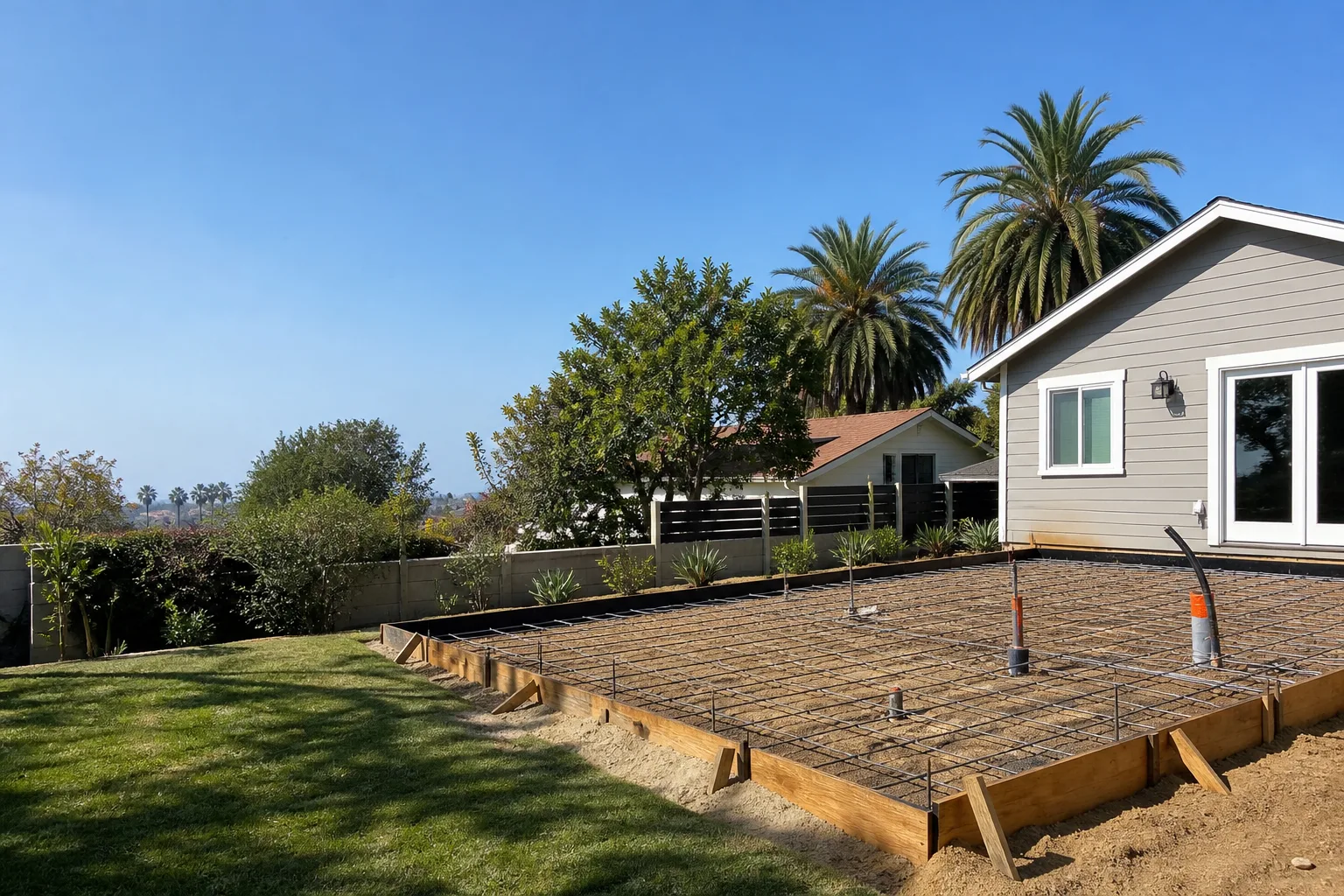
For a Cover unit, site prep and utilities means the ground under your ADU, the trench work that carries water and power, and the connections that tie everything into the city’s systems. In Ventura, we typically see complete site prep and utility packages run $18,000 – $45,000 installed, depending on soil conditions, trench depth, and how far your ADU sits from the existing sewer and electrical panels. Most owners find out there’s a problem when something fails on the utility side months after the unit was placed: a breaker trips whenever the mini-split kicks on, drains run slow, or the unit settles enough to pop drywall seams.
We stock Cover-compatible trenching materials, conduit, and connection hardware, and our crew can handle everything from the initial soil work to the final utility hookup. This isn’t a replacement part in the traditional sense: it’s the groundwork that makes your prefab actually function as a home.
Which Cover Models This Applies To
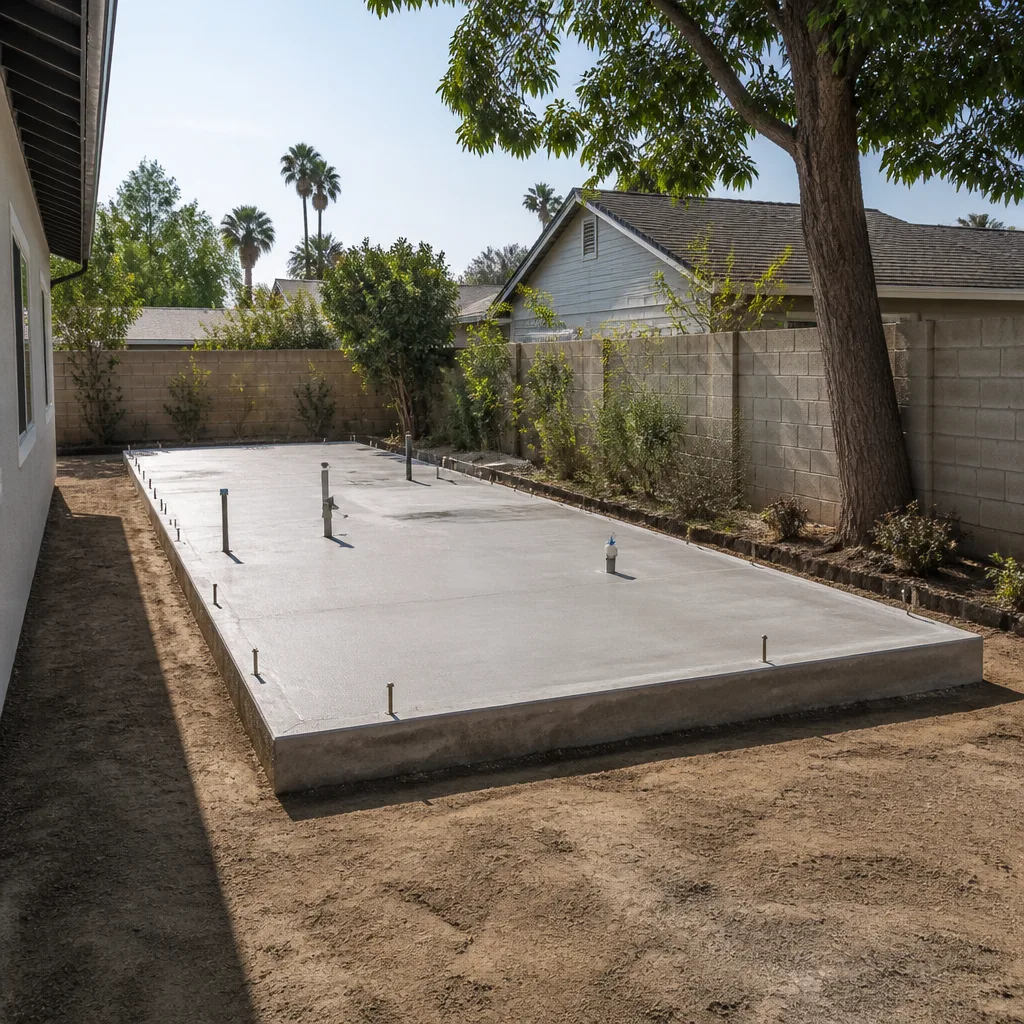
Every Cover panel-built unit, regardless of series, depends on the same fundamental systems: a stable foundation pad, a sewer lateral or tied connection, a water service line, and electrical service sized for the unit’s panel. What changes is the utility sizing calculation. Cover’s larger two-bedroom configs draw more amps, so a 100-amp service that worked for a studio won’t pass inspection for a bigger unit. We see this get missed in Ventura regularly, especially with older homes on Midtown or Montalvo streets where the main panel was sized decades ago.
To identify what your specific unit needs, check the specs plate on the unit’s electrical panel and the original site plan from Cover. The panel’s amperage rating and the unit’s plumbing rough-in locations dictate trench depth and path. There really isn’t an “OEM vs aftermarket” decision for most site prep materials: Schedule 40 conduit and Type M copper are code-specified. But the connection hardware matters. We use Sweep fittings on trench bends rather than hard 90° elbows wherever possible; that single spec choice makes future wire pulls possible without re-trenching, and it’s a distinction inspectors in Ventura notice. For any Cover unit built before their 2023 plumbing manifold update, we recommend verifying your isolation valves actually isolate individual fixtures. Some earlier units used a shared manifold that made a single leak a whole-unit shutdown.
Signs Your Cover Site Prep & Utilities Is Failing
- Repeated breaker trips on one circuit. This usually means undersized wire between the main panel and the ADU subpanel, or a corroded connection at the splice box. Coastal air in Ventura accelerates corrosion on exterior connections, especially within a mile of the water.
- Slow drains in the ADU but not the main house. Often a belly or back-pitch in the sewer lateral: a low spot where waste pools instead of flowing. This happens when the trench bed wasn’t compacted in lifts and settled unevenly after the first wet winter.
- Visible settling or a slight lean on one corner. Cover units sit on piers or a slab; if the load-bearing points move more than a quarter inch relative to each other, you’ll see door binds or hairline cracks. Ventura’s expansive clay soil, common in East Ventura, swells and shrinks dramatically with seasonal rain.
- Water pressure drops in the ADU when the main house runs a shower. That points to an undersized water service or an old galvanized branch feeding the ADU. We’ve pulled out fifty-year-old galvanized lines in Ventura homes that were never upsized for a second dwelling.
- A musty smell near the unit’s skirting or a soft spot in the ground nearby. This is a slow water line leak saturating the soil, which compounds the settling problem. On a Cover unit, a leaking main connection can go unnoticed for months because the water moves underground.
Replacement Cost & What’s Included
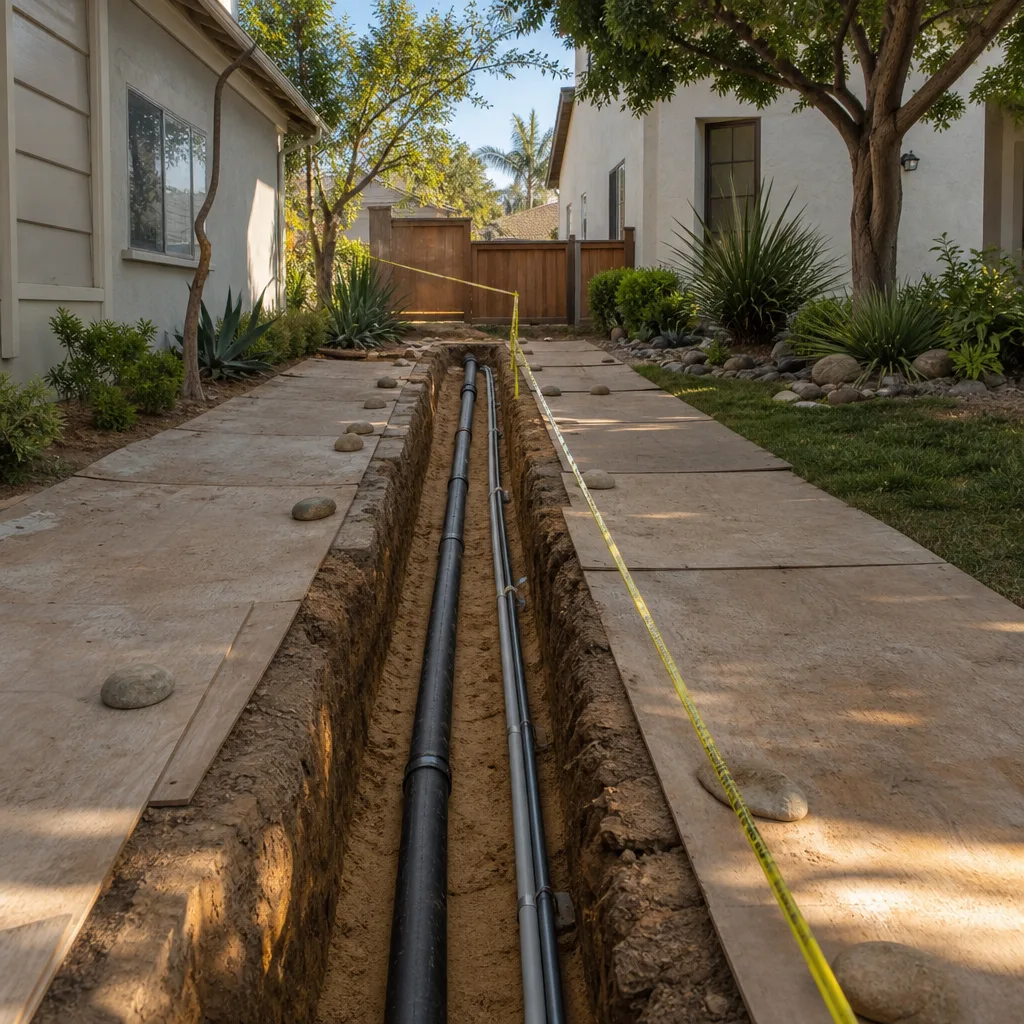
In Ventura, a full site prep and utility package for a Cover ADU lands between $18,000 and $45,000 installed. At the lower end ($18k – $26k), you’re looking at a flat lot with sandy loam soil (common west of Victoria Ave closer to the coast), an ADU within 40 feet of the main panel and sewer line, and no demolition of hardscape. At the upper end ($32k – $45k), you’ve got expansive clay, trench runs over 75 feet, a main panel upgrade to 200 amps, or sewer work that involves city inspection at the sidewalk connection.
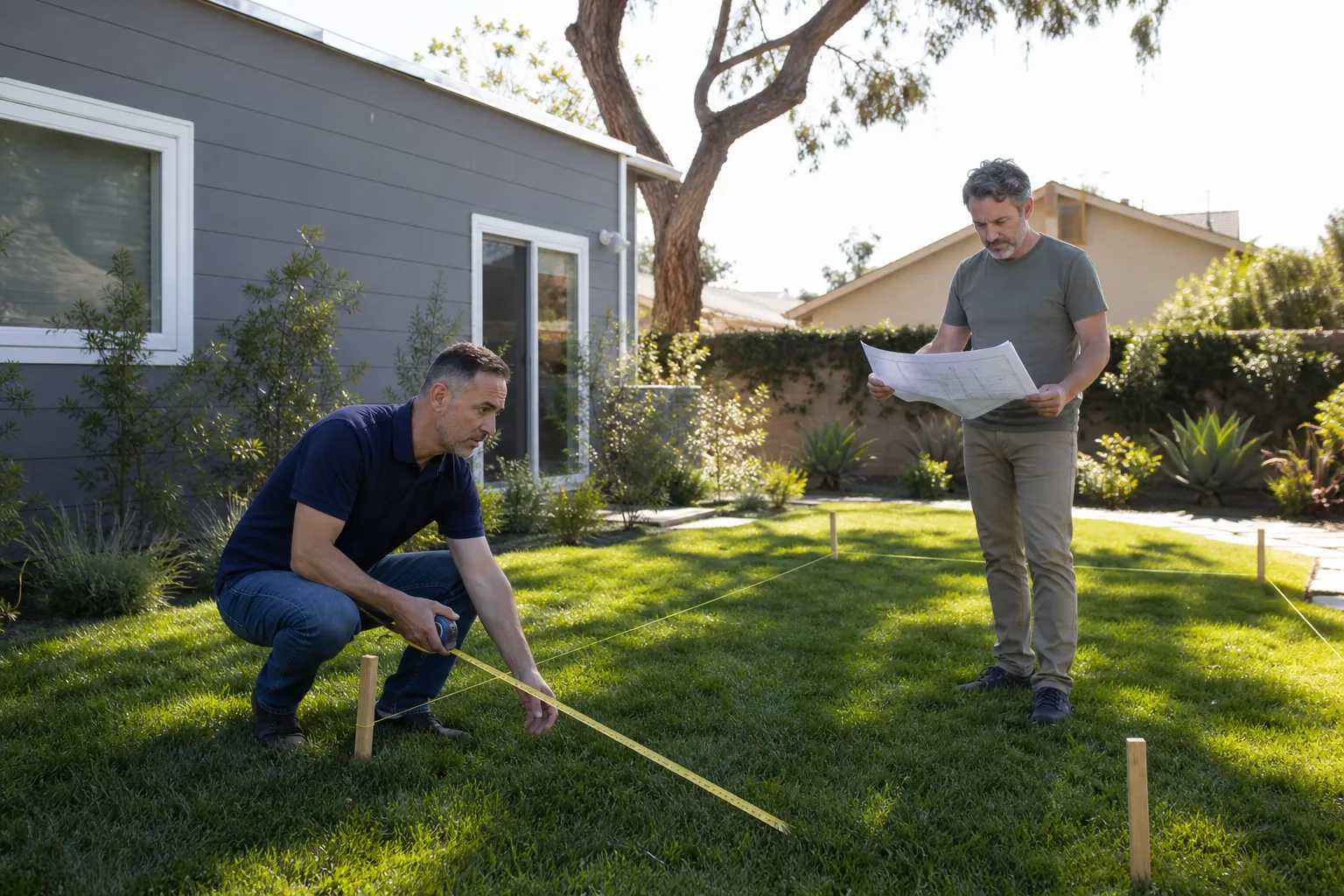
Every estimate we write for Ventura homeowners breaks the job into four line items: demolition/clearing, excavation and grading, trenching and conduit, and final grading plus backfill. You see parts cost, labor cost, and the permit line before you sign anything. That’s our relay system: a written price before the first shovel moves, and if the final bill changes for any reason, you approved the change in writing first. The workmanship comes with our 365-Day Done Right Promise. If a covered repair fails within a year, we’re back out to fix it at no charge.
DIY or Call Us?
The honest split looks like this: you can safely do the visible checks. Walk the perimeter after heavy rain and look for pooling water against the unit. Check that your exterior disconnect switch opens and closes smoothly. Note where your gas and water shutoffs are and make sure the valve handles are accessible, not buried under mulch. You can also pull your original site plan and compare utility locations against what’s actually on the ground.
What you should not do is any actual utility work. Trenching to utility depth in Ventura requires a dig alert clearance, and most of our project sites run through soil with existing gas or water mains within a few feet of the planned path. A shovel at four feet through a ten-inch main is an expensive day. The same goes for any electrical splice between your main panel and the ADU subpanel: an undersized or poorly torqued connection is a fire risk that no YouTube video can make safe. If you’re seeing real symptoms, call (350) 207-2506. We’ll send a background-checked tech in uniform to diagnose exactly what failed, give you a written repair number, and fix what needs fixing.
FAQs
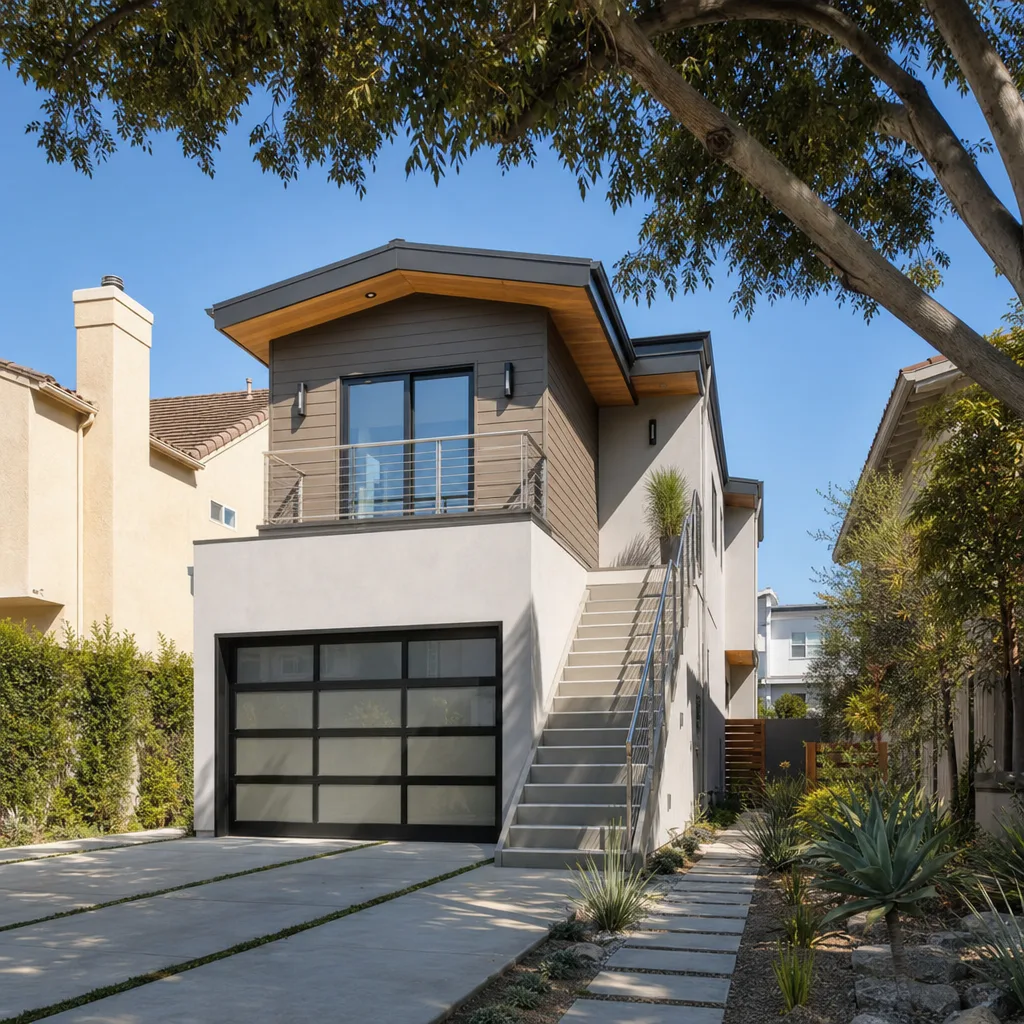
A properly installed utility package in Ventura should last 40 – 50 years for sewer lines and conduit, and 25 – 30 years for water service lines before material fatigue becomes a realistic concern. The variables that shorten that timeline locally are settling from our clay soil cycles and salt-air corrosion on exterior electrical connections.
Yes, in about 40% of the cases we see in Ventura. If the failure is isolated to a specific connection point (a corroded splice, a single cracked section of sewer lateral), we can dig a targeted access point and fix just that section. We’ll tell you up front whether repair or replacement makes more sense, with both options priced in writing.
For a full package on a typical Ventura residential lot, expect three to seven working days: one to two for demo and grading, two to three for trenching and utility pulls, and one to two for backfill, compaction, and inspection scheduling. Straightforward sewer-only repairs can be done in a single day.
We keep the common Cover-compatible connection hardware on our trucks: panel-rated splice connectors, Schedule 40 conduit in standard trade sizes, Sweep elbows, and cover plates that match Cover’s standard utility configurations. For unit-specific manifolds or isolation valves on newer Cover models, we order from Cover directly, which typically adds two to three business days in Ventura. If you need an exact price for your job, call (350) 207-2506 and we’ll put a number in writing.
If your Cover unit needs site prep or utility work in Ventura, call (350) 207-2506 for a free estimate. Troy Eastman and our Benson ADU Ventura crew will assess the damage, hand you a written line-item price, and get the work scheduled on a timeline that respects your calendar. Put it in writing before the first shovel moves – that’s not fine print, that’s just how good work starts.
Written by Troy Eastman, Owner & Lead Builder, Benson ADU Ventura at Benson ADU Ventura, serving Ventura and nearby areas.